
Tick‑Tock Trauma: Why Clock Synchronization Matters More Than You Think
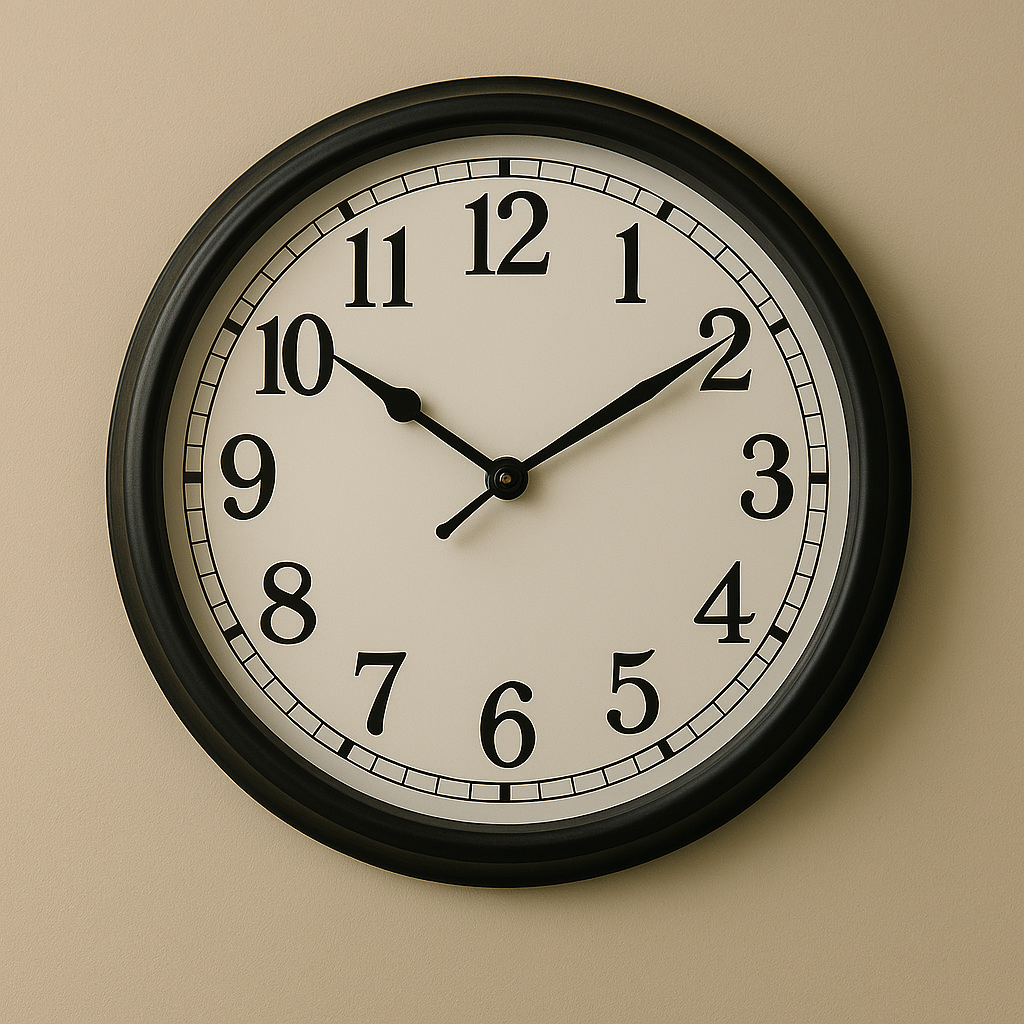
Trauma activations move fast—so fast that seconds can feel like plot twists. In these high‑stakes moments, monitors beep, staff shout updates, labs run, medications fly, and documentation becomes the anchor that holds the story together. But there’s one tiny detail that often sneaks under the radar:
Are your clocks even telling the same story?
If your trauma bay monitor says 14:03, the EMR says 14:06, and radiology claims the CT started at 13:59, your performance improvement (PI) process is already on shaky ground. Time is data, and data is accountability. When devices disagree, your trauma narrative starts to sound like unreliable witness testimony—and that’s a PI nightmare.
Why Time Synchronization is the Quiet Powerhouse of Trauma Documentation
Trauma documentation depends on precise, sequential event capture, and that starts with consistent timing. Trauma registries, quality dashboards, and PI reviews all rely on accurate event times to determine if interventions occurred promptly, appropriately, and in compliance with trauma standards. The Wisconsin Trauma Registry Toolkit highlights the importance of uniform data definitions and management across all trauma entries, underscoring the necessity of accurate, consistent time documentation within the trauma system (Wisconsin Department of Health Services, 2024).
When timing discrepancies appear, root‑cause analysis becomes almost comically difficult. Did the hypotension happen before or after the blood transfusion? Was the airway secured before RSI medications were pushed? Did labs arrive late—or were they simply timestamped by a device living in a different time zone?
PI committees cannot evaluate timeliness, compliance, or safety if clocks turn every trauma case into a chronological riddle.
Small Clocks, Big Consequences
Time drift doesn’t discriminate. A portable monitor, bedside vitals machine, CT scanner, ambulance run sheet, and EMR workstation can all quietly diverge by minutes. And when they do, trauma documentation suffers.
A PI audit of trauma flow sheets—which explicitly require accurate timestamps for interventions, vitals, and administered medications—depends entirely on synchronized device times to ensure event linkage is valid and trustworthy (Arizona Department of Health Services, n.d.).
Even trauma activation times, which must be captured in the ED/resuscitation documentation module, rely on consistent device-time to establish whether activations happened before or after patient arrival and whether timelines meet trauma program requirements (Montana DPHHS, 2022).
In short: If your clocks disagree, your PI program suffers silently.
Best Practices for Trauma Clock Harmonization
The fix isn’t glamorous—but it’s powerful.
1. Align all devices to a single authoritative time source
Your health system’s NTP server should be the Beyoncé of clocks:
Everyone follows Beyoncé.
2. Incorporate clock‑check procedures into routine trauma bay readiness
Daily trauma bay checks should include confirming system clocks on:
Vital sign monitors
EMS radio/communication consoles
EMR workstations
Portable procedure and imaging devices
3. Standardize timestamp behavior across ALL trauma documentation tools
Trauma flow sheets, PI forms, and registry data requirements depend on timestamps that match system time, not device‑guessed time (Wisconsin Department of Health Services, 2024).
4. Audit for time drift during PI case review
If timestamps don’t make sense, they should be flagged.
Not judging—just verifying.
5. Train staff to recognize and report timing discrepancies
Trauma clinicians notice everything except sometimes the clock. Make clock awareness part of the culture.
A Reality Check
Let’s be honest: no one gets into trauma care because they love timekeeping.
But mismatched clocks are the sitcom blooper reel that PI teams definitely did not ask for.
Without synchronized device clocks, your trauma activation timeline reads like a sci‑fi plot about parallel universes. Standardizing your clocks won’t save every patient, but it will absolutely save your data integrity—and your PI committee’s sanity.
Conclusion
Your mission, should you choose to accept it:
Synchronize your clocks. Audit them. Standardize them. Love them.
Your PI team, trauma registrars, and future accreditation surveyors will thank you.
Because in trauma care, time isn’t just of the essence—
time is the evidence.
References
Arizona Department of Health Services. (n.d.). Trauma flow sheet documentation audit tool. https://www.azdhs.gov/documents/preparedness/emergency-medical-services-trauma-system/trauma/TraumaFlowSheet-DocumentationAuditTool.pdf
Montana Department of Public Health & Human Services (DPHHS). (2022). Trauma registry documentation consistency guide. https://dphhs.mt.gov/assets/publichealth/EMSTS/Trauma/TraumaRegistryDocumentationCheatSheetsTCWebex032022ADA.pdf
Wisconsin Department of Health Services. (2024). Trauma registry toolkit. https://www.dhs.wisconsin.gov/publications/p03676.pdf
