
The Trauma Bay Toolbox: Essential Equipment Every Hospital Should Have (and Why Your Trauma Team Will Thank You)
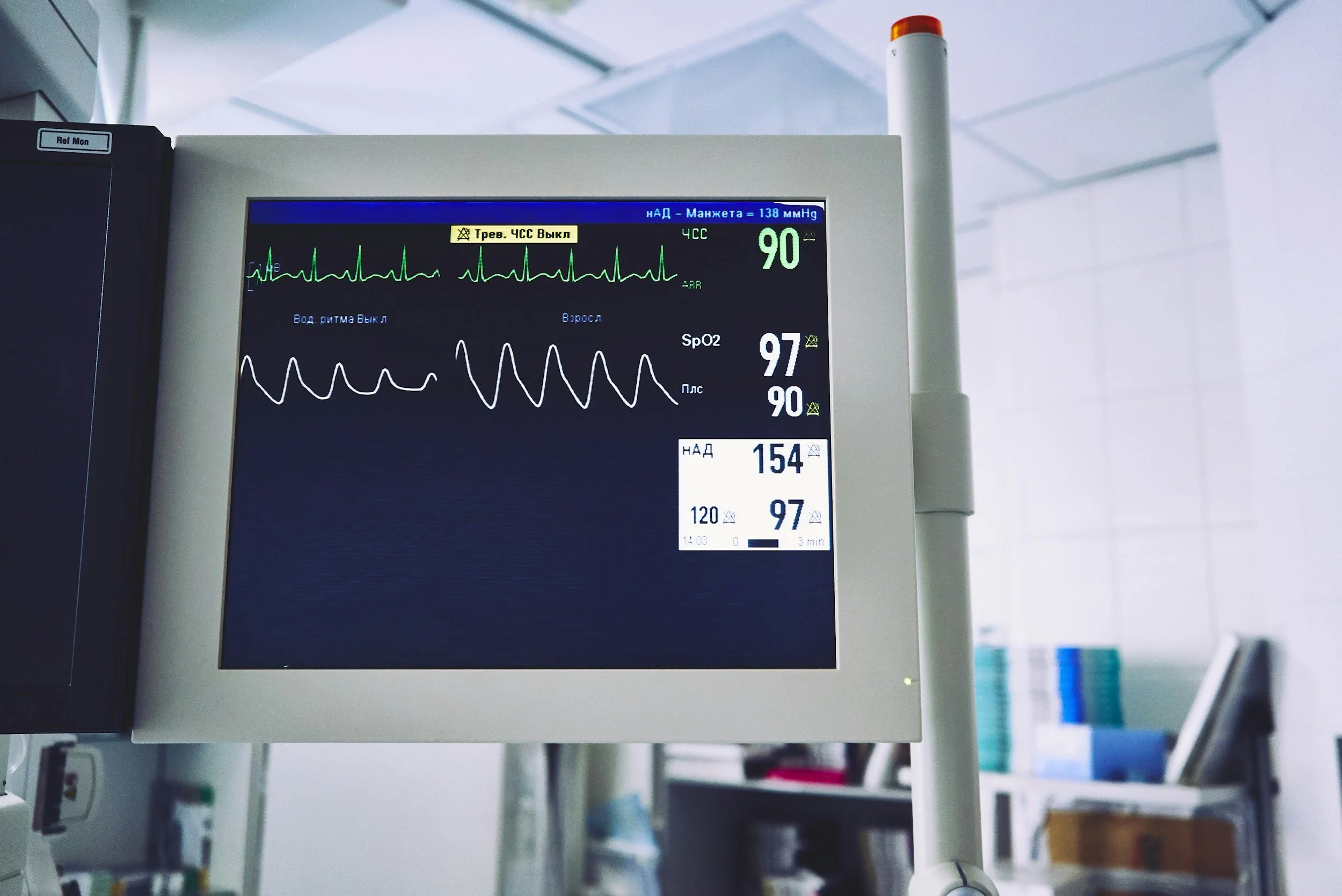
In the world of trauma care, chaos is inevitable—but disorganization doesn't have to be. When seconds matter and outcomes hinge on swift, coordinated action, hospitals rely on a precisely stocked and strategically arranged trauma bay. Think of it as the ultimate “just‑in‑case” drawer—if the stakes of your junk drawer involved airway compromise, hemorrhage control, and life‑saving resuscitation.
Ensuring that every trauma bay is equipped with the right tools isn’t just a best practice—it’s an evidence‑based mandate supported by global guidelines, national recommendations, and decades of trauma experience. Let’s unpack the must‑have trauma equipment your hospital needs to confidently face whatever rolls through the ambulance bay doors.
Airway and Ventilation Tools: Because Breathing Should Never Be Optional
Airway control tops every trauma priority list, and your equipment has to keep up. WHO guidelines cite airway supplies—such as suction devices, ventilation equipment, and adjuncts—as foundational components of safe trauma care (World Health Organization, 2012).
Trauma center equipment standards echo this, listing essentials such as:
Video laryngoscopes
Pulse oximetry
Suction devices
Qualitative end‑tidal CO₂ monitors
Cervical spine stabilization supplies
These tools support rapid, accurate airway management—especially critical when dealing with swelling, blood, or debris that transforms normally straightforward tasks into full‑blown boss battles (Mississippi State Department of Health, 2020).
Hemorrhage Control: Stopping the Red Stuff From Spilling Out
Trauma literature is clear—hemorrhage is the enemy, and early bleeding control saves lives. Modern guidelines emphasize tourniquets, wound packing, permissive hypotension strategies, and rapid access to vascular routes (Kim & Kim, 2025).
Your trauma bay should always include:
Tourniquets
Large-bore IV catheters
Intraosseous access kits
Rapid infusers
Blood warmers
Standard and balanced transfusion supplies
The evidence shows that having these tools immediately available reduces delays and improves survival—no superhero cape required.
Monitoring & Resuscitation Equipment: Because Trauma Isn’t the Time for Guesswork
Effective resuscitation depends on real‑time data. Trauma centers must be equipped with defibrillators, ECG monitors, arterial catheters, and central venous monitoring devices (Mississippi State Department of Health, 2020).
A well‑designed trauma bay also optimizes workflow, minimizes clutter, and ensures monitoring tools are within easy reach (Lee, 2025).
At minimum, your hospital should include:
Defibrillators with internal/external paddles
ECG/oscilloscope systems
Arterial line kits
Ultrasound for FAST exams
Temperature management tools (forced‑air warmers, fluid warmers)
If you’ve ever tried to find the ultrasound machine during a trauma resuscitation, you understand why ergonomics matter.
Procedural & Surgical Readiness: When Trauma Escalates Fast
Sometimes trauma doesn’t wait for the OR—and neither can you.
Key procedural tools in every trauma bay should include:
Cricothyrotomy sets
Thoracostomy kits
Venous cut‑down supplies
Central line insertion kits
Thoracotomy trays
These align with essential WHO recommendations for fixed healthcare facilities delivering trauma care (World Health Organization, 2012).
Trauma experts also stress the importance of accessible surgical tools and lighting, especially in hybrid trauma/OR environments designed for complex, rapidly evolving cases (Gelbard & Inaba, 2025).
Communication Tools: Because Coordinated Chaos Is Still Chaos Without a Plan
Effective trauma care depends on communication as much as equipment. From EMS handoff to multi‑disciplinary coordination, rapid information exchange improves outcomes.
Modern systems emphasize:
Direct EMS‑to‑OR communication
SBAR communication frameworks
Readily accessible radios and trauma phones
Advanced communication tools have been shown to reduce delays and improve transfer outcomes (Kim & Kim, 2025).
Also, don’t underestimate how color‑coding or standardizing equipment placement can dramatically improve communication and efficiency—some trauma bays saw improved role clarity and reduced workflow interruptions simply by redesigning layout cues (Tien et al., 2025).
Final Thoughts: Trauma Equipment Is More Than a Checklist—It’s a Safety Net
While equipment lists vary slightly by region and trauma level, the universal truth is clear: preparedness is life‑saving. Trauma care demands the right tools, in the right place, at the right time. Whether your trauma bay is a bustling Level I center or a smaller community department, aligning your resources with evidence‑based guidelines elevates patient outcomes and protects your care teams.
Download the Complete Trauma Equipment Checklist
Ready to audit your trauma bay with confidence?
👉 Download the comprehensive trauma equipment checklist here.
References
Gelbard, R., & Inaba, K. (2025). The trauma bay environment. Springer Nature. https://link.springer.com/chapter/10.1007/978-3-031-86312-7_23
Kim, J.‑Y., & Kim, O. H. (2025). Recent advances in prehospital and in-hospital management of patients with severe trauma. Journal of Clinical Medicine, 14(7), 2208. https://doi.org/10.3390/jcm14072208
Lee, S. (2025). Optimizing trauma bay for surgery. Number Analytics. https://www.numberanalytics.com/blog/optimizing-trauma-bay-for-surgery
Mississippi State Department of Health. (2020). Trauma care system: Trauma center essential and desirable list for equipment. https://msdh.ms.gov/msdhsite/_static/resources/10243.pdf
Tien, L., Sturdevant, M., Javangula, M., Ange, B., McKenzie, J., & Medeiros, R. (2025). Remodeling the trauma bay to improve communication and patient care. Trauma Surgery & Acute Care Open, 10(2). https://tsaco.bmj.com/content/10/2/e001689
World Health Organization. (2012). Guidelines for essential trauma care. https://www.who.int/publications/i/item/guidelines-for-essential-trauma-care
