
The TMD Effect: Why Performance Improvement in Trauma Starts at the Helm
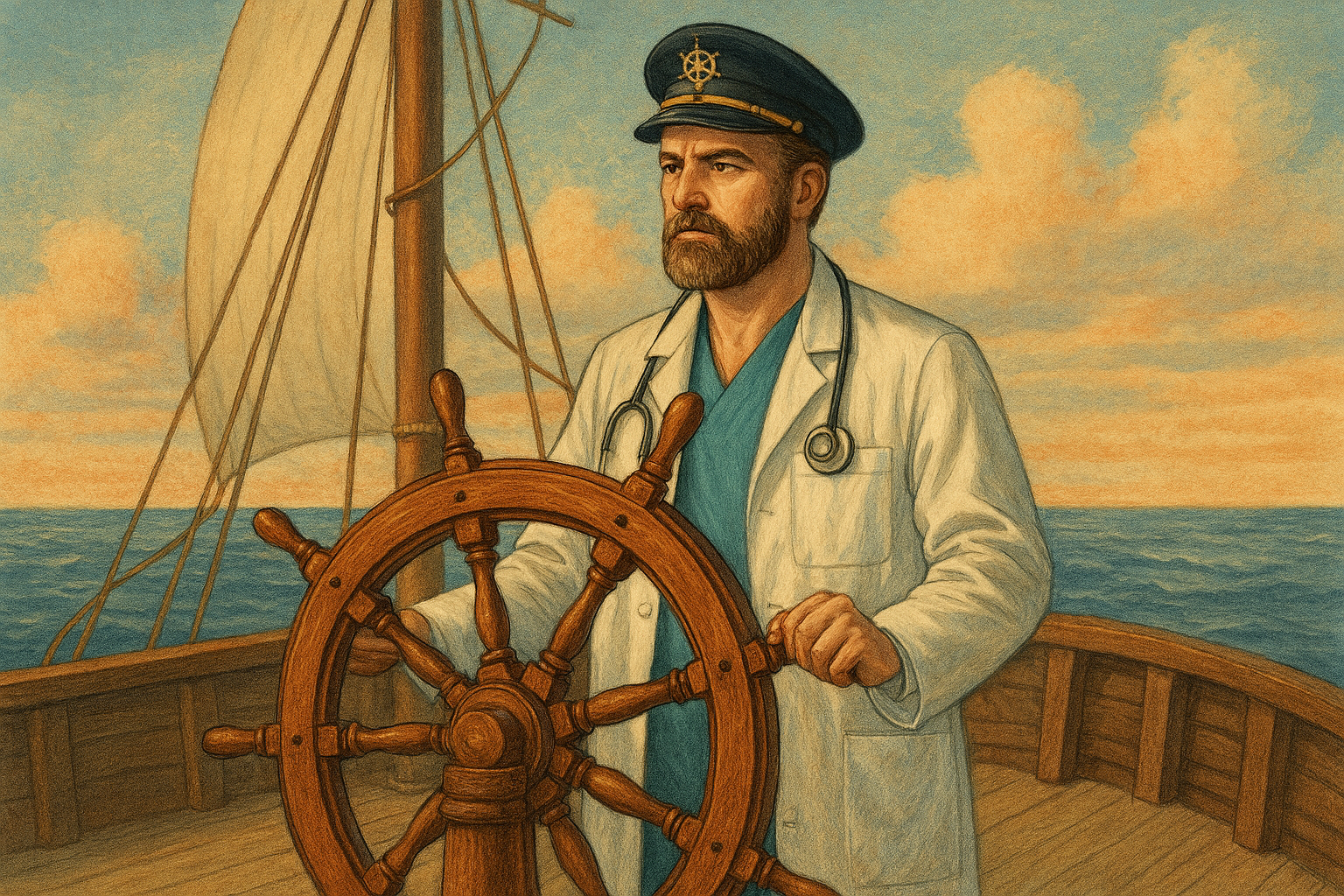
Trauma care is fast, complex, and unforgiving of system failure—yet it is uniquely positioned for improvement when leadership is intentional. Enter the Trauma Medical Director (TMD): part clinician, part strategist, and full‑time steward of quality. While Performance Improvement (PI) in trauma is often perceived as a regulatory requirement, when driven by an engaged TMD, it becomes something far more powerful—a mechanism for safer care, better outcomes, and resilient teams.
From Requirement to Responsibility
The American College of Surgeons (ACS) does not mince words: trauma centers must maintain an organized, data-driven PI process with active physician leadership (American College of Surgeons, 2022). The TMD is explicitly charged with this responsibility—not as a figurehead, but as an accountable leader responsible for monitoring outcomes, driving corrective action, and closing the loop on identified opportunities (American College of Surgeons, 2022).
This expectation is well-founded. Physician-led quality improvement has been repeatedly associated with improved adherence to evidence‑based practices and reduced variability in trauma care delivery (Pronovost et al., 2008). In short, trauma systems perform better when their medical directors do more than attend meetings—they lead change.
The TMD as PI Architect
Effective PI does not happen by accident. It requires structure, prioritization, and clinical credibility. The TMD serves as the architect of this system—ensuring that data are meaningful, reviews are timely, and actions are more than theoretical.
Trauma PI relies heavily on structured peer review, multidisciplinary case analysis, and benchmarking through trauma registries. Studies show that when these processes are physician‑led and embedded into daily operations, organizations are more likely to translate data into practice change (Stelfox et al., 2011). The TMD’s clinical expertise allows them to distinguish between expected variation and true system failure—an essential skill when every case arrives with complexity baked in.
Culture: The Silent KPI
Metrics matter, but culture determines whether they improve. One of the most underestimated roles of the TMD in PI is shaping a just culture—one that balances accountability with psychological safety. Trauma care involves high‑risk decision‑making under pressure, and punitive review processes are known to suppress reporting and hinder learning (Dekker, 2012).
When the TMD models curiosity over blame and frames PI as collective improvement rather than personal critique, participation improves. Teams are more willing to surface near misses, engage in honest discussion, and implement sustainable solutions. This cultural leadership has been directly linked to improvements in patient safety outcomes across healthcare systems (Singer et al., 2009).
Closing the Loop: Where Leadership Becomes Outcomes
Identifying issues is only half the job; closing the loop is where PI succeeds or fails. The TMD plays a critical role in ensuring that corrective actions are implemented, tracked, and reassessed. Closed‑loop PI processes in trauma programs have been associated with reductions in preventable complications and mortality (Martin & Dorlac, 2019).
This includes oversight of guideline development, provider education, and system redesign—often requiring collaboration beyond the trauma bay with emergency medicine, anesthesia, radiology, and hospital leadership. The TMD’s authority and clinical legitimacy are key enablers in this cross‑departmental work.
The Quiet Multiplier Effect
Perhaps the greatest impact of an engaged TMD in PI is not captured in a dashboard. It is seen in fewer repeat errors, more confident teams, and a shared understanding that excellence is not accidental. Trauma systems are complex adaptive environments, and meaningful improvement requires leadership that is both clinically grounded and system‑focused (Weick & Sutcliffe, 2015).
When TMDs treat PI as a core leadership function rather than a compliance task, they become catalysts for durable change—turning data into dialogue and dialogue into better care.
Call to Action
If you are a Trauma Medical Director, ask yourself:
Are PI findings consistently translated into action?
Do frontline teams feel safe engaging in the review process?
Is your PI program improving care—or just documenting it?
If you work with a TMD, consider how your program supports their leadership role in PI. Trauma excellence is not built on protocols alone—it is built on engaged medical leadership.
Lean into PI. Lead the culture. Close the loop.
Your patients—and your trauma system—deserve nothing less.
References
American College of Surgeons. (2022). Resources for optimal care of the injured patient. https://www.facs.org/quality-programs/trauma/quality/verification-review-and-consultation-program/resources
Dekker, S. (2012). Just culture: Balancing safety and accountability. Ashgate Publishing.
Martin, K. D., & Dorlac, W. C. (2019). Trauma system performance improvement: A review of the literature and recommendations. Journal of Emergency and Critical Care Medicine, 3, 12. https://doi.org/10.21037/jeccm.2019.02.05
Pronovost, P. J., Berenholtz, S. M., & Needham, D. M. (2008). Translating evidence into practice: A model for large scale knowledge translation. BMJ, 337, a1714. https://doi.org/10.1136/bmj.a1714
Singer, S. J., Lin, S., Falwell, A., Gaba, D. M., & Baker, L. (2009). Relationship of safety climate and safety performance in hospitals. Health Services Research, 44(2), 399–421. https://doi.org/10.1111/j.1475-6773.2008.00918.x
Stelfox, H. T., Straus, S. E., Nathans, A., & Bobranska-Artiuch, B. (2011). Evidence for quality indicators to evaluate adult trauma care: A systematic review. Critical Care Medicine, 39(4), 846-859. https://doi.org/10.1097/ccm.0b013e31820a859a
Weick, K. E., & Sutcliffe, K. M. (2015). Managing the unexpected: Sustained performance in a complex world (3rd ed.). John Wiley & Sons.
