
Breathing Indicators That Warrant Attention in Trauma
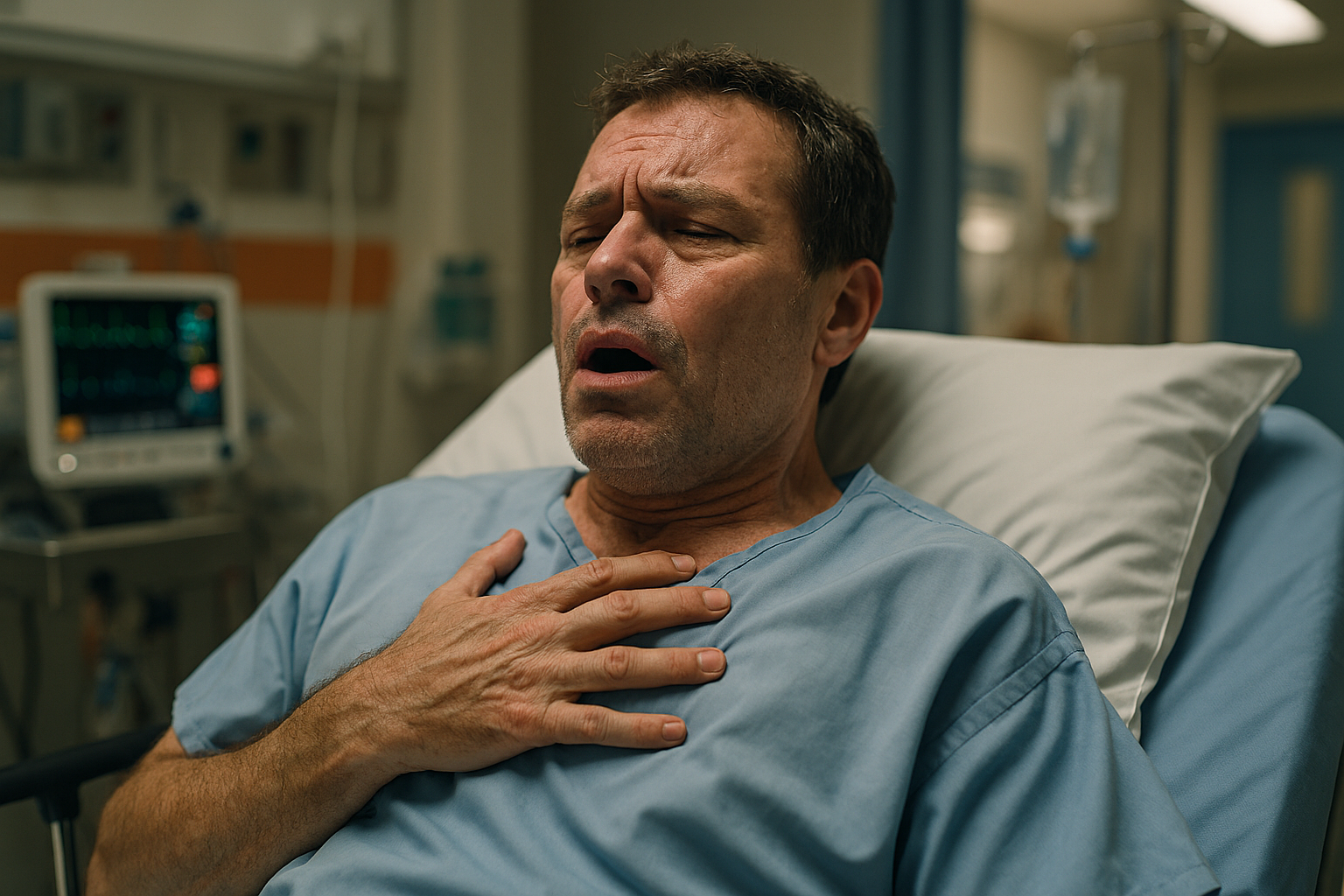
Effective trauma care depends on rapid identification of life‑threatening respiratory compromise. Because breathing is a critical component of the primary survey within trauma assessment frameworks such as the Advanced Trauma Life Support (ATLS) guidelines, clinicians must be able to recognize subtle and overt indicators of deterioration (American College of Surgeons, 2023). Conceptually, the signs that warrant urgent attention can be grouped into patterns of respiratory effort, efficiency, and compensatory physiological responses.
Abnormal Respiratory Rate and Effort
One of the earliest indicators of respiratory compromise is an abnormal respiratory rate. Tachypnea often reflects pain, hypoxemia, acidosis, or evolving shock, whereas bradypnea may indicate impending respiratory failure or neurological injury (Kilbourne et al., 2021). Increased work of breathing—manifested as use of accessory muscles, suprasternal retractions, nasal flaring, or paradoxical chest movement—signals that the patient is struggling to maintain adequate ventilation.
In trauma, paradoxical breathing in particular may indicate flail chest, diaphragmatic injury, or severe fatigue, each requiring immediate evaluation and intervention (Kirkpatrick et al., 2020).
Asymmetry in Chest Wall Motion
Asymmetric chest rise or visibly decreased excursion on one side may reflect pneumothorax, hemothorax, or significant pulmonary contusion. These conditions reduce effective lung expansion and can rapidly progress to hypoxia or tension physiology. Tension pneumothorax is a leading cause of preventable death in trauma, and early recognition of unilateral chest movement abnormalities is therefore essential (Jenkins et al., 2020).
Abnormal Breath Sounds
Auscultation remains a critical tool. Diminished or absent breath sounds may suggest pneumothorax, massive hemothorax, or main‑stem bronchial obstruction. Conversely, adventitious sounds such as crackles may indicate contusions, while wheezing may reflect airway edema or bronchospasm related to smoke inhalation or allergic response (Lamb et al., 2021).
The conceptual importance of sound assessment lies not in the precise diagnosis during the chaotic early phases of trauma care, but in recognizing that abnormal findings demand immediate oxygenation support and further diagnostic workup.
Signs of Airway Obstruction or Compromise
Although airway assessment is technically separate from breathing evaluation, airway obstruction manifests quickly as breathing difficulty. Indicators such as stridor, hoarse voice, gurgling, or inability to speak in full sentences signal partial or impending obstruction (American College of Surgeons, 2023). Trauma patients are especially at risk due to facial fractures, neck swelling, blood, vomitus, or direct laryngeal injury.
Because airway compromise progresses rapidly, these signs conceptually function as “red flags” prompting early intervention.
Skin Color, Mental Status, and Perfusion Changes
Hypoxemia or inadequate ventilation often appears first as altered skin color, such as pallor or cyanosis, particularly around the lips and nailbeds. Altered mental status—confusion, restlessness, or decreased level of consciousness—also reflects insufficient cerebral oxygenation (Kilbourne et al., 2021).
These systemic indicators reflect the body’s compensatory response to impaired breathing and highlight the interconnectedness of respiratory status with global physiology.
Conclusion
Early recognition of abnormal breathing indicators in trauma is essential to reducing preventable morbidity and mortality. Clinicians must cultivate the habit of systematically assessing respiratory rate, chest movement, breath sounds, airway patency, and systemic signs of hypoxia. These indicators—simple, observable, and conceptual by design—serve as the earliest warnings of life‑threatening complications.
Trauma teams, nurses, and emergency clinicians should integrate routine respiratory indicator training, simulation, and rapid‑response drills into their practice. Strengthening these skills ensures swift recognition of deteriorating patients and improves outcomes in the moments when every second truly matters.
References
American College of Surgeons. (2023). Advanced Trauma Life Support (ATLS) Student Course Manual (11th ed.). https://www.facs.org/quality-programs/trauma/atls/
Jenkins, P., Sudheer, P., & Graham, C. (2020). Early recognition and management of pneumothorax in trauma. Trauma, 22(3), 204–212. https://doi.org/10.1177/1460408620902534
Kilbourne, M. J., Bochicchio, G. V., Scalea, T. M., & O’Connor, J. V. (2021). Respiratory failure after trauma: Patterns and predictors. Journal of Trauma and Acute Care Surgery, 90(2), 345–352. https://doi.org/10.1097/TA.0000000000002994
Kirkpatrick, A. W., Rizoli, S., & Waibel, B. (2020). Thoracic trauma and respiratory complications. Canadian Journal of Surgery, 63(1), E25–E33. https://doi.org/10.1503/cjs.009519
Lamb, L. C., Martin, M. J., & Mullenix, P. S. (2021). Pulmonary injury after blunt trauma: Recognition and management. Trauma Surgery & Acute Care Open, 6(1), e000731. https://doi.org/10.1136/tsaco-2021-000731
