
Handoff Essentials: Structured Info Flow for Activated Traumas
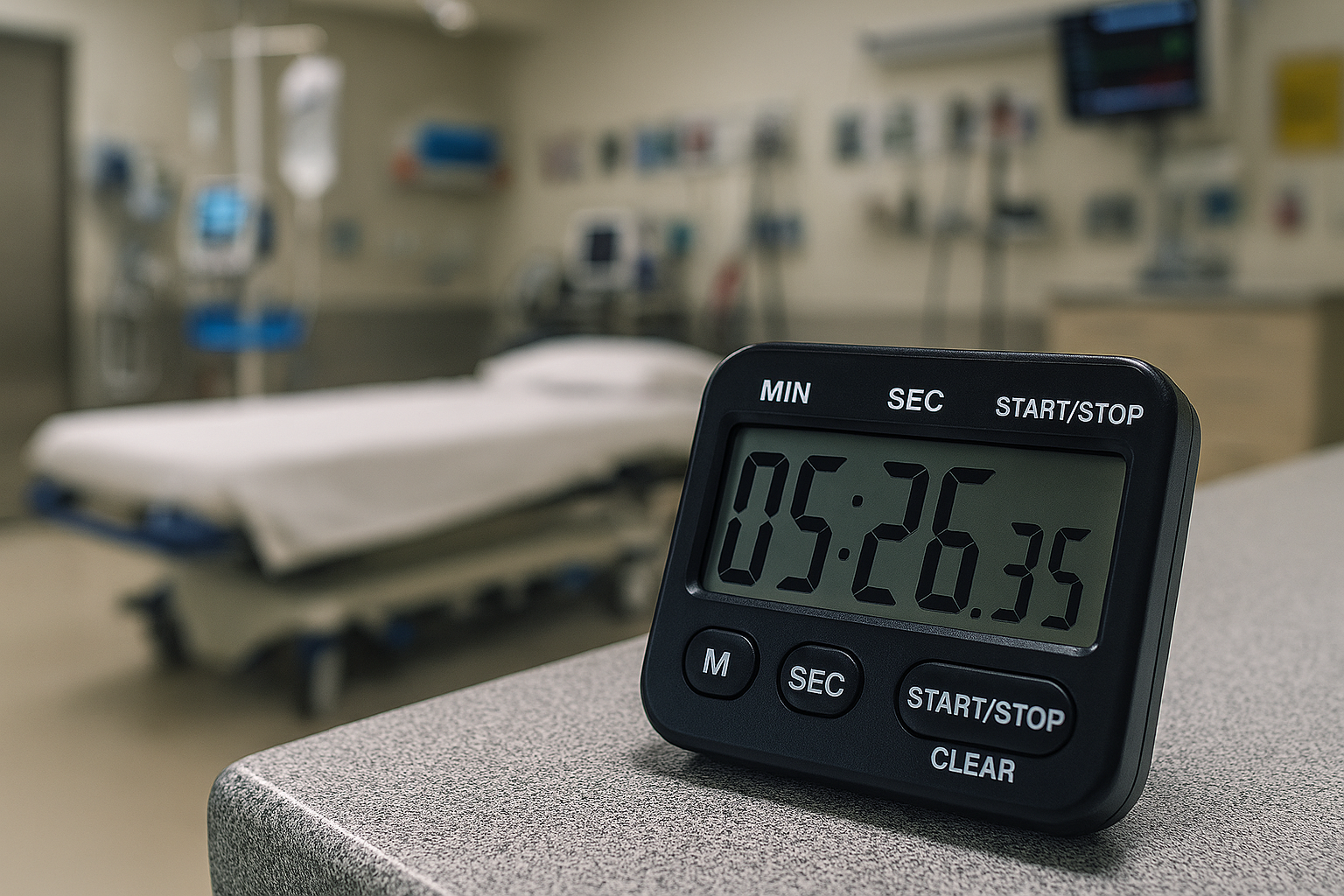
When Seconds Become Stories: How Time Stamps Shape Trauma Performance Improvement
In trauma care, time is not just money—it’s mortality, morbidity, and meaningful metrics. From the moment a patient’s wheels cross the ED threshold to the minute a trauma activation is triggered and the second a life‑saving intervention is performed, timestamps narrate the entire performance of a trauma system. These seemingly small numerical markers become the backbone of Performance Improvement (PI), ensuring that trauma teams don’t just save lives—they learn from every encounter.
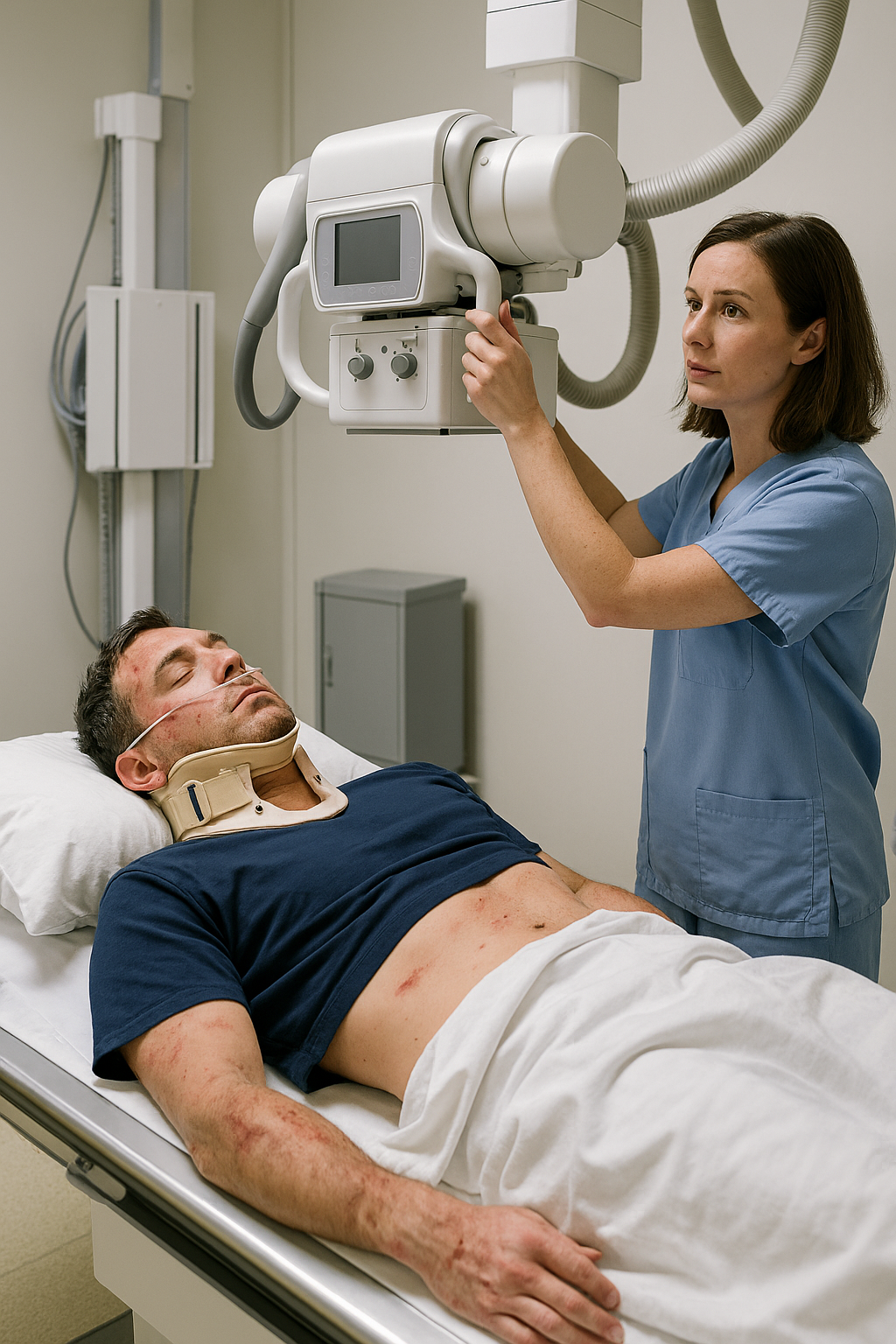
Imaging Stewardship in Trauma: Seeing the Big Picture Without Overexposing It
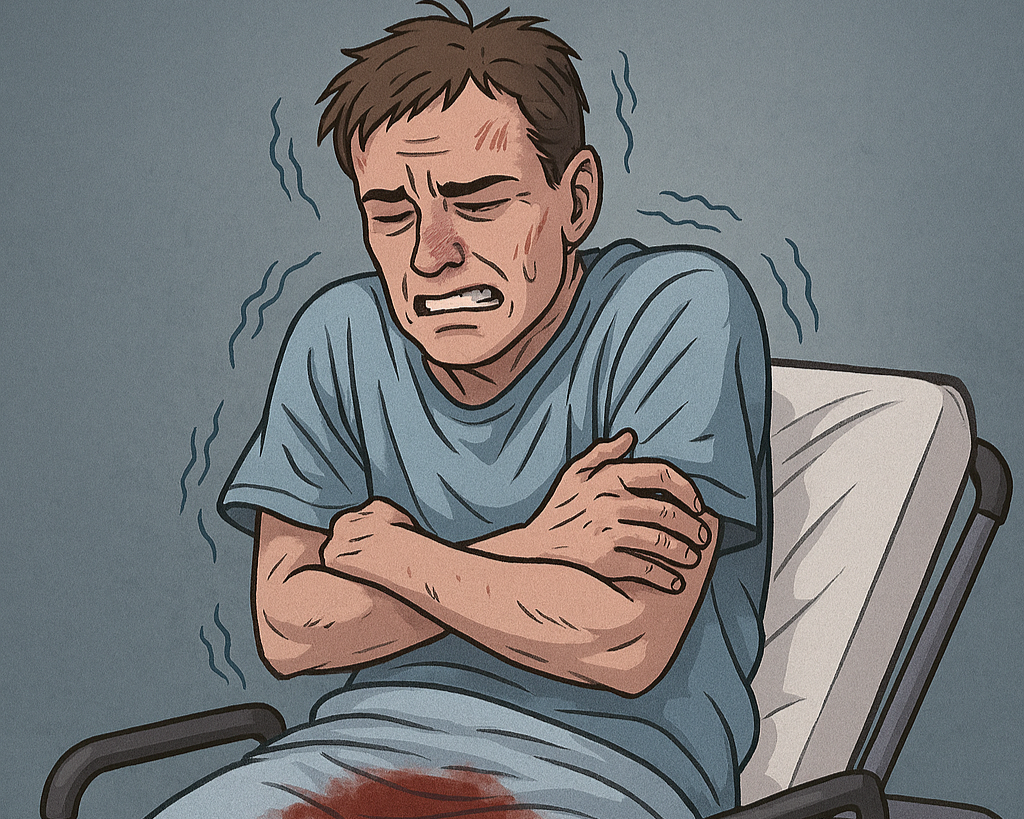
Trauma Bay Exposure and Hypothermia: A Critical Driver of the Diamond of Death
Hypothermia is one of the most dangerous complications in trauma care, and importantly, it does not only occur in the prehospital environment. Even inside the trauma bay, exposure required for rapid assessment and lifesaving interventions frequently triggers unintended heat loss. This internal, iatrogenic exposure can quickly push trauma patients into hypothermia, accelerating their progression into the Diamond of Death—hypothermia, acidosis, coagulopathy, and hypocalcemia (Trauma Nursing, 2024).

Disability Assessment in Trauma: AVPU vs GCS – Can We Please Pick a Lane?
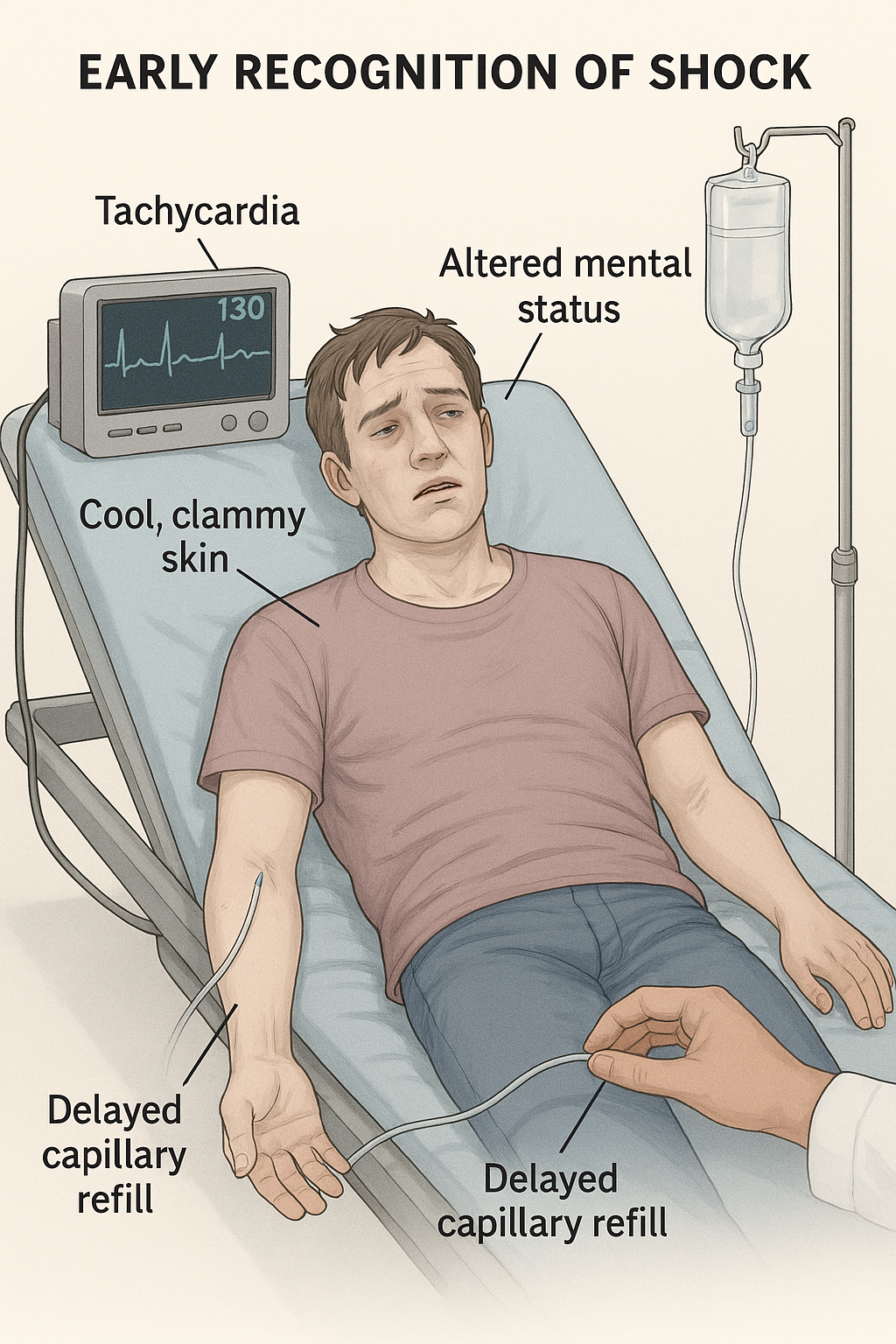
Circulation – Early Signs of Shock in Trauma Patients

Breathing Indicators That Warrant Attention in Trauma
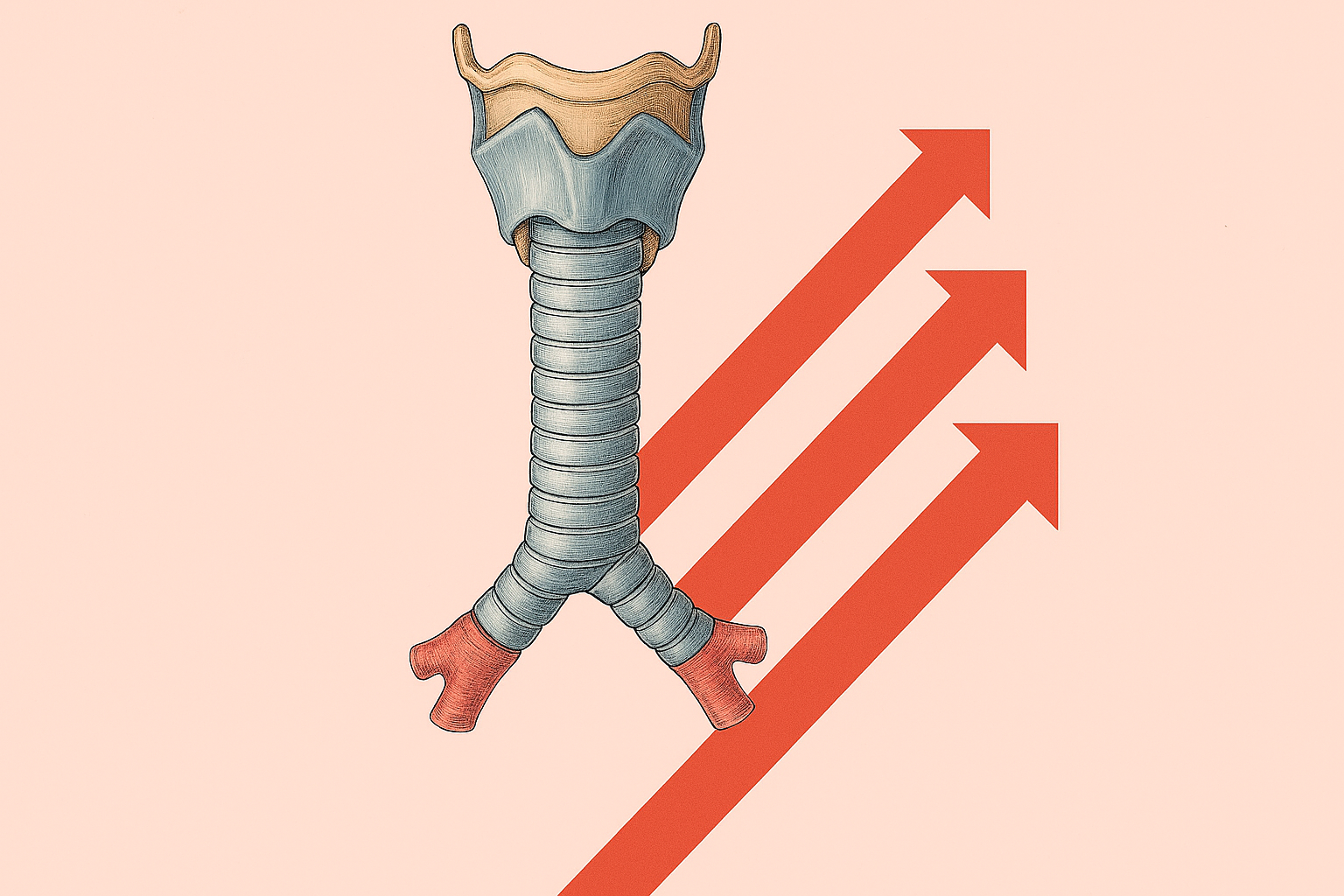
Airway Indicators That Should Make You Nervous: A Look at Escalation in Trauma Care

Primary Survey: ABCDE — A Framework Refresher with a Pulse

Role Clarity in Activated Traumas: Why Pharmacy Support Must Know Its Lines Before the Curtain Rises
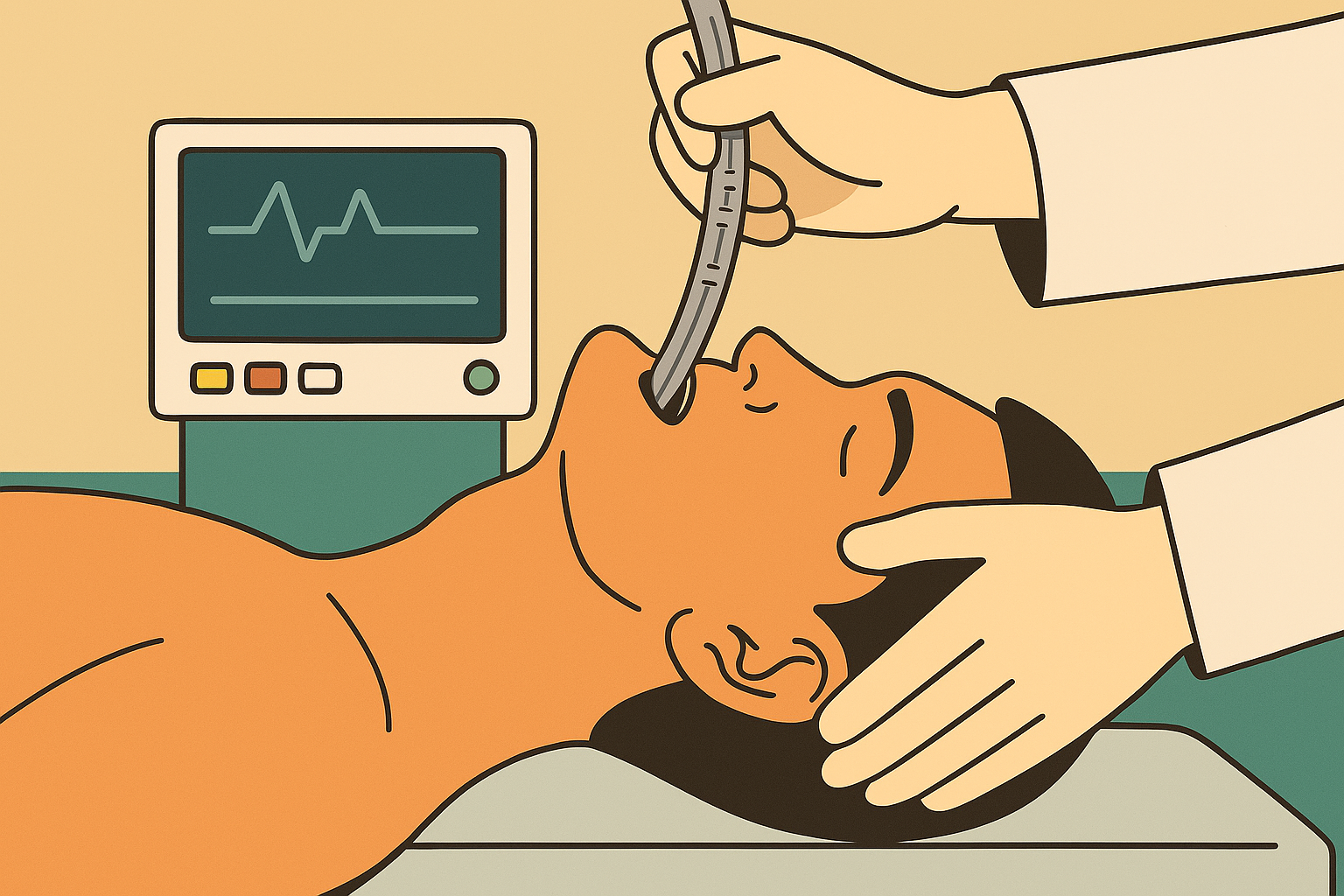
Clearing the Air: Understanding Airway and Respiratory Therapy Roles in Activated Trauma Resuscitations

Role Clarity for the Recorder in Activated Traumas

Trauma Activation Role Clarity for the Primary Nurse
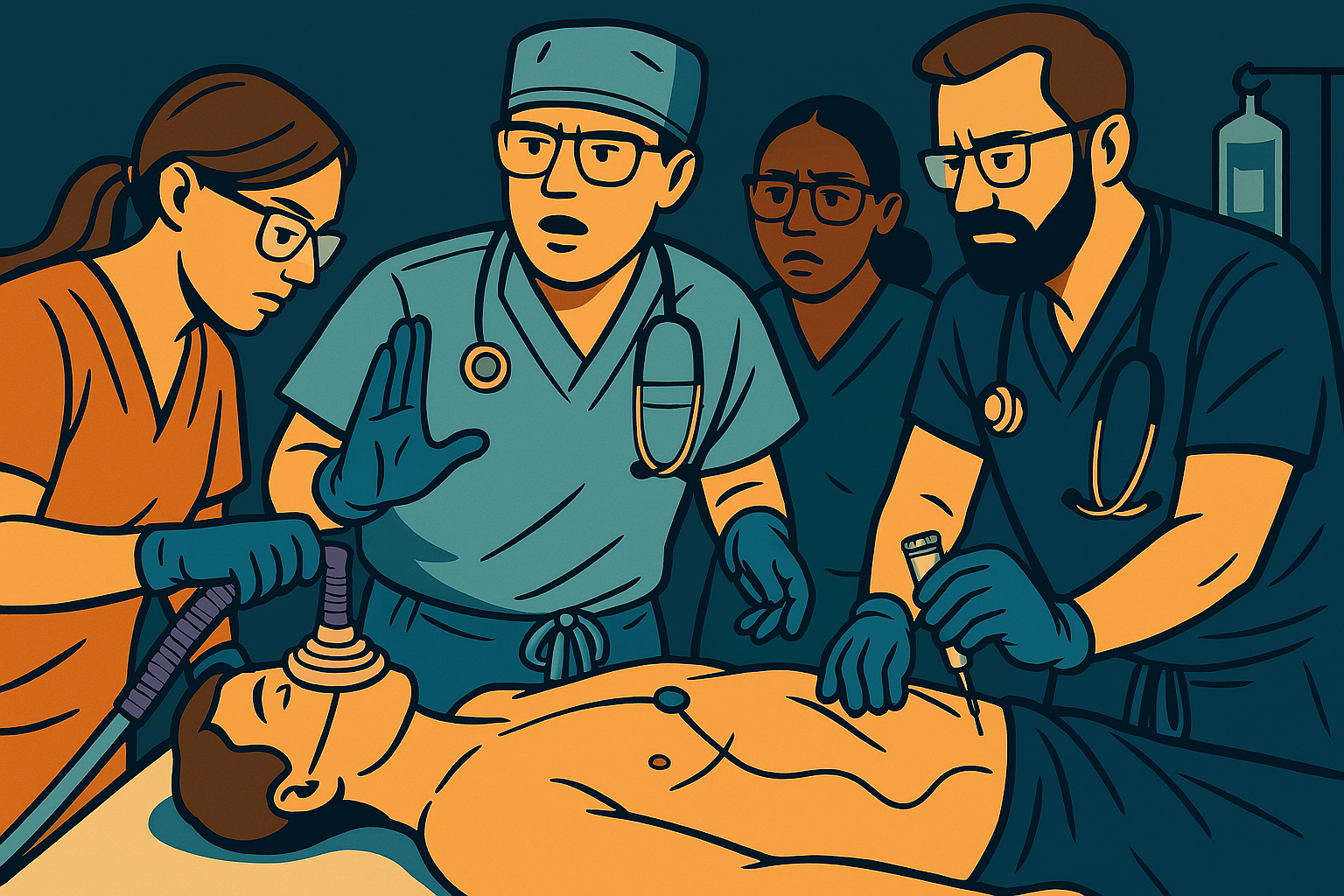
Commanding the Chaos: Why Role Clarity for the Trauma Team Lead Matters More Than Caffeine on a Night Shift
Time‑to‑Bedside: Why Minutes Matter for Trauma Patients

EMS Prearrival Information for Trauma Patients: What to Listen For (and Why Your Sanity Depends on It)

Mechanism of Injury vs. Physiologic Triggers in Trauma

Activation Levels: Who Gets Paged and Why
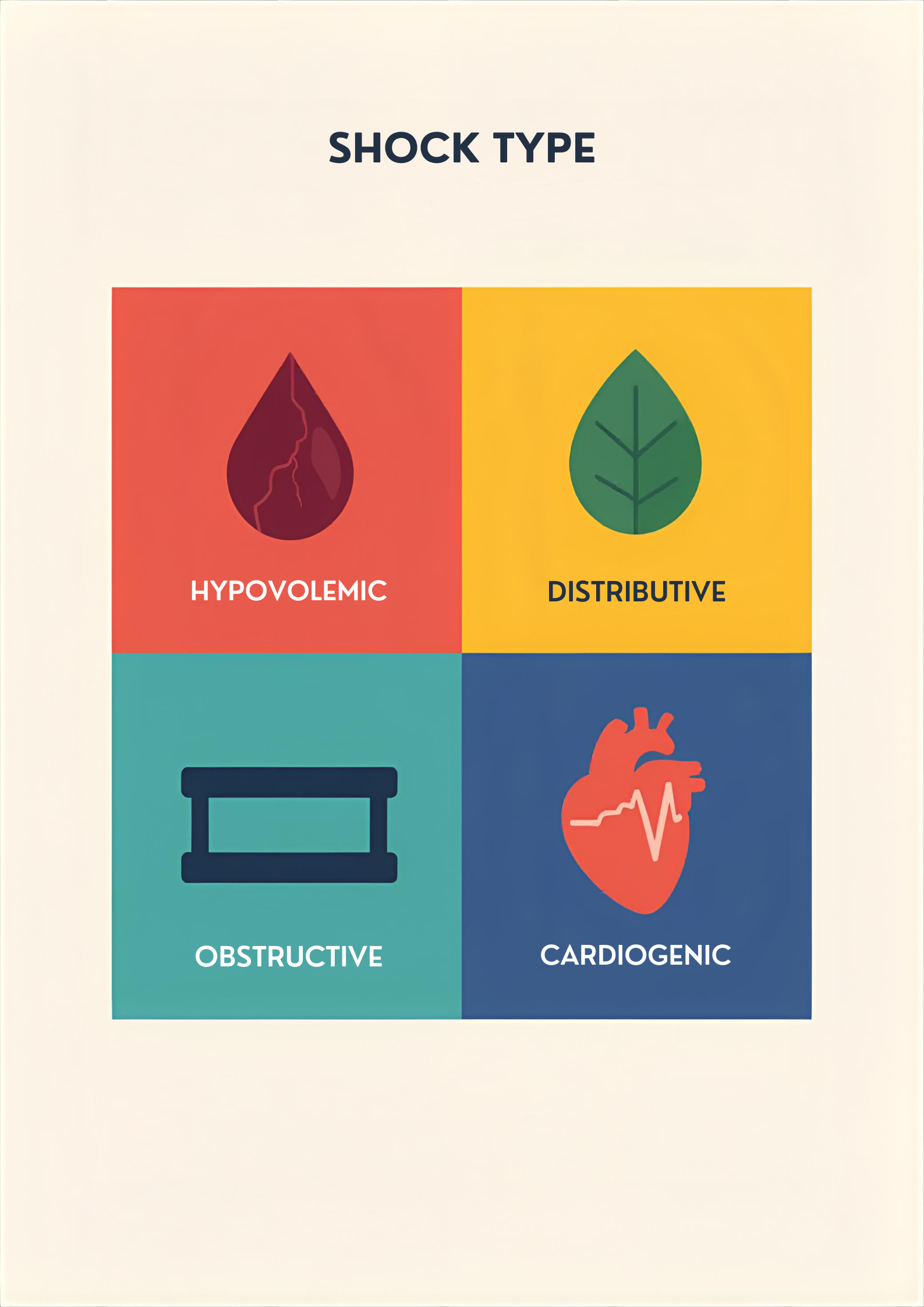
Understanding Shock in Trauma: A Conceptual Guide